
Wastewater treatment is a critical process that involves managing sludge effectively. One of the key decisions in this process is choosing the right method for dewatering sludge.
Two popular options are mechanical dewatering systems and sludge drying beds. While mechanical systems offer efficiency and speed, drying beds provide a more traditional and potentially cost-effective solution.
The choice between these methods depends on various factors, including cost, efficiency, and environmental impact. As we explore this topic further, the question remains: which method is truly superior?
Key Takeaways
- Mechanical dewatering systems offer efficiency and speed in sludge management.
- Sludge drying beds provide a cost-effective solution with potential environmental benefits.
- The choice between the two methods depends on specific factors such as cost and environmental impact.
- Understanding the advantages and disadvantages of each method is crucial for effective sludge management.
- A comparison of these methods can help determine the most suitable approach for different scenarios.
The Fundamentals of Sludge Management in Wastewater Treatment
Wastewater treatment relies heavily on efficient sludge management solutions. Sludge management is a critical component of wastewater treatment processes, as it directly impacts the overall efficiency and environmental sustainability of the treatment. Effective sludge management involves reducing the volume of sludge, making it easier to handle and dispose of.
The Critical Role of Dewatering in Treatment Processes
Dewatering is a key process in sludge management, significantly reducing the volume of sludge by removing water. This reduction in volume makes subsequent treatment and disposal more manageable and cost-effective. Dewatering also plays a crucial role in minimizing the environmental impact of sludge disposal.
Evolution of Sludge Management Technologies
Sludge management technologies have evolved significantly over the years, from traditional sludge drying beds to advanced mechanical dewatering systems. This evolution has been driven by the need for more efficient, cost-effective, and environmentally friendly sludge management solutions.
| Technology | Description | Efficiency |
|---|---|---|
| Sludge Drying Beds | Traditional method relying on natural evaporation | Low to Moderate |
| Mechanical Dewatering Systems | Advanced systems using mechanical means to remove water | High |
The table above illustrates the difference in efficiency between traditional sludge drying beds and modern mechanical dewatering systems. As wastewater treatment technologies continue to advance, the efficiency of sludge treatment is also improving, leading to more sustainable and environmentally friendly practices.
Traditional Approach: Sludge Drying Beds Explained
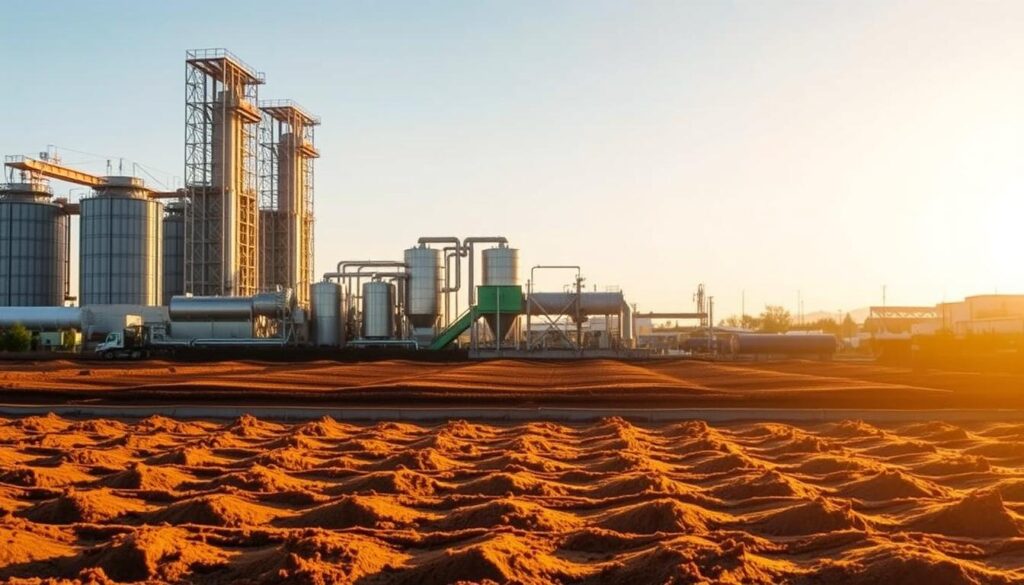
Sludge drying beds have been a cornerstone in wastewater treatment for decades, providing a simple yet effective method for sludge dewatering. These beds utilize natural processes such as drainage and evaporation to reduce the moisture content of sludge, making it easier to handle and dispose of.
How Sludge Drying Beds Work
Sludge drying beds operate on the principle of allowing sludge to drain and evaporate water naturally. The beds are typically constructed with layers of gravel and sand, which facilitate drainage. As sludge is applied to the bed, water percolates through the layers, reducing the sludge’s moisture content over time.
Types of Sludge Drying Beds
There are several types of sludge drying beds, including conventional drying beds, paved drying beds, and sand drying beds. Each type has its specific application and advantages. For instance, paved drying beds are more durable and easier to clean, while conventional beds are simpler and less expensive to construct.
| Type of Drying Bed | Characteristics | Advantages |
|---|---|---|
| Conventional | Simple construction, natural drainage | Low cost, easy to implement |
| Paved | Durable surface, easier cleaning | Longer lifespan, reduced maintenance |
| Sand | Effective filtration, natural evaporation | Good for small-scale applications, low tech |
Advantages and Limitations of Drying Beds
Sludge drying beds offer several advantages, including low operational costs and simplicity of operation. However, they also have limitations, such as requiring large land areas and being weather-dependent. The choice between drying beds and mechanical dewatering systems depends on various factors, including available space, climate, and budget.
Modern Solution: Mechanical Dewatering Systems Overview
Mechanical dewatering systems represent a significant advancement in sludge management, offering efficient and rapid processing capabilities. These systems utilize machinery to remove water from sludge, resulting in a more manageable product.
The variety of mechanical dewatering systems available allows for flexibility in application, catering to different industrial needs.
Belt Filter Presses
Belt filter presses are a common type of mechanical dewatering system. They operate by using a pair of belts to compress and dewater sludge, producing a dry cake.
Centrifuges and Decanter Systems
Centrifuges and decanter systems use centrifugal force to separate liquids from solids. They are highly effective for large-scale operations.
Screw Presses and Filter Presses
Screw presses and filter presses offer alternative dewatering solutions. Screw presses use a rotating screw to dewater sludge, while filter presses utilize a series of plates to achieve the same result.
Operational Principles of Mechanical Dewatering
The operational principles of mechanical dewatering systems involve the application of mechanical forces to separate water from sludge. This results in a drier product that is easier to handle and dispose of.
| Type of System | Operational Principle | Application |
|---|---|---|
| Belt Filter Presses | Compression using belts | Municipal and industrial wastewater treatment |
| Centrifuges and Decanter Systems | Centrifugal force | Large-scale industrial and municipal applications |
| Screw Presses and Filter Presses | Mechanical compression and filtration | Varied industrial applications, including food processing and paper manufacturing |
Are Mechanical Dewatering Systems Really Better Than Sludge Drying Beds?
The choice between mechanical dewatering systems and sludge drying beds is not straightforward and depends on various factors including cost, space, and sludge characteristics. Both methods have been employed in wastewater treatment for decades, each with its unique advantages and challenges.
Direct Performance Comparison
A direct comparison between mechanical dewatering systems and sludge drying beds reveals significant differences in their operational efficiencies and output. Mechanical dewatering systems are generally faster and more efficient, capable of handling large volumes of sludge with minimal labor.
| Criteria | Mechanical Dewatering Systems | Sludge Drying Beds |
|---|---|---|
| Processing Time | Faster, continuous operation | Slower, batch processing |
| Space Requirements | Compact, can be indoors | Large land area required |
| Labor Intensity | Low to moderate | Low, but dependent on weather |
Situational Advantages of Each System
Despite the general advantages of mechanical dewatering systems, there are scenarios where sludge drying beds are preferable. For instance, in regions with ample land and favorable climate conditions, sludge drying beds can be a cost-effective solution with minimal operational costs.
“The simplicity and low operational costs of sludge drying beds make them an attractive option for smaller communities or facilities with specific climatic advantages.”
On the other hand, mechanical dewatering systems offer reliability and consistency, crucial for large-scale or industrial wastewater treatment operations.
Efficiency Analysis: Processing Time and Throughput
In the realm of industrial sludge management, the efficiency of dewatering methods plays a crucial role in determining overall treatment efficacy. Mechanical dewatering systems and sludge drying beds are two prevalent methods used in wastewater treatment processes, each with its own efficiency characteristics.
Speed of Dewatering Operations
Mechanical dewatering systems generally offer faster processing times compared to traditional sludge drying beds. This is because mechanical systems can operate continuously and are not dependent on weather conditions. For instance, belt filter presses and centrifuges can process sludge rapidly, often in a matter of minutes.
Volume Handling Capabilities
In terms of volume handling, mechanical dewatering systems are typically more capable of managing large volumes of sludge. This makes them particularly suitable for industrial settings where high volumes of wastewater are generated. The table below compares the volume handling capabilities of mechanical dewatering systems and sludge drying beds.
| Dewatering Method | Volume Handling Capability | Processing Time |
|---|---|---|
| Mechanical Dewatering Systems | High | Fast (minutes to hours) |
| Sludge Drying Beds | Low to Moderate | Slow (days to weeks) |
The efficiency of sludge treatment is significantly influenced by the choice of dewatering method. By understanding the processing time and volume handling capabilities of different systems, wastewater treatment plants can make informed decisions that optimize their operations.
Economic Considerations: Capital vs. Operational Costs
Economic considerations play a pivotal role in deciding between mechanical dewatering systems and traditional sludge drying beds for wastewater treatment. The decision-making process involves a thorough analysis of both the initial investment and the long-term operational costs.
Initial Investment Requirements
Mechanical dewatering systems typically require a higher initial investment compared to sludge drying beds. The costs associated with purchasing and installing mechanical equipment, such as belt filter presses or centrifuges, can be substantial. In contrast, sludge drying beds often have lower initial costs, primarily involving land preparation and construction expenses.
Long-term Operational Expenses
While mechanical dewatering systems have higher upfront costs, they often result in lower operational expenses over time. These systems can process sludge more efficiently, reducing labor costs and the need for additional treatments. On the other hand, sludge drying beds require more land and can incur higher maintenance costs due to their dependence on weather conditions.
Return on Investment Analysis
Conducting a return on investment (ROI) analysis is crucial for determining the economic viability of each system. Mechanical dewatering systems, despite their higher initial costs, can offer a better ROI due to their efficiency and lower operational costs. A detailed ROI analysis should consider factors such as energy consumption, maintenance needs, and the overall impact on sludge management.
When evaluating sludge management solutions, it’s essential to consider the benefits of mechanical dewatering, including its efficiency and cost-effectiveness in the long run. By understanding these economic considerations, wastewater treatment facilities can make informed decisions that align with their operational needs and budget constraints.
- Mechanical dewatering systems offer lower operational costs.
- Sludge drying beds have lower initial investment requirements.
- ROI analysis is critical for evaluating long-term economic viability.
Maintenance Requirements and System Reliability
Maintenance is a critical aspect of dewatering systems, impacting both their reliability and overall cost-effectiveness. The choice between mechanical dewatering systems and sludge drying beds involves a trade-off between mechanical maintenance and labor requirements.
Mechanical Systems Maintenance Needs
Mechanical dewatering systems, such as belt filter presses and centrifuges, require regular maintenance to ensure reliability. This includes routine checks on mechanical parts, lubrication, and electrical systems. While these systems are designed for high throughput and efficiency, their complexity means that maintenance can be resource-intensive.
Regular maintenance tasks for mechanical dewatering systems include cleaning and replacing wear parts, inspecting belts and rollers, and checking for any signs of mechanical failure. Proper maintenance not only extends the lifespan of the equipment but also ensures consistent performance.
Drying Bed Maintenance Considerations
Sludge drying beds, on the other hand, have fewer mechanical components, which reduces the need for mechanical maintenance. However, they require more labor for sludge removal and bed preparation. The simplicity of drying beds means that maintenance is generally less complex, focusing on ensuring the beds are properly cleaned and prepared for subsequent use.
Maintenance for sludge drying beds involves removing dried sludge, inspecting the sand and gravel layers for replenishment needs, and ensuring drainage systems are functioning correctly. While labor-intensive, these tasks are crucial for the ongoing effectiveness of the drying beds.
Environmental Impact and Sustainability Comparison
When evaluating sludge management solutions, it’s crucial to consider the environmental footprint of both mechanical dewatering systems and traditional sludge drying beds. The sustainability of wastewater treatment technologies hinges on several factors, including land use, energy consumption, carbon footprint, and water conservation.
Land Use Requirements
Sludge drying beds require significant land areas, which can be a limitation in urban settings. In contrast, mechanical dewatering systems are more compact and can be integrated into existing wastewater treatment infrastructure without extensive land acquisition.
- Sludge drying beds: Large land requirements
- Mechanical dewatering systems: Compact design
Energy Consumption Patterns
Mechanical dewatering systems consume more energy compared to sludge drying beds, which rely on natural evaporation and percolation processes. However, advancements in mechanical systems are improving their energy efficiency.
Carbon Footprint Analysis
The carbon footprint of sludge drying beds is generally lower due to their reliance on natural processes. Mechanical dewatering systems, while having a higher carbon footprint due to energy consumption, can be optimized with renewable energy sources.
Water Conservation Aspects
Both systems contribute to water conservation by reducing the volume of sludge. Mechanical dewatering systems can achieve higher dry solids content, potentially reducing the need for further treatment or disposal.
Space and Climate Considerations for Implementation
When considering sludge management solutions, the impact of geographical location and climate cannot be overstated. The suitability and efficiency of sludge drying beds versus mechanical dewatering systems vary significantly with climate and geography.
Geographical and Climate Limitations
Sludge drying beds are highly dependent on favorable climate conditions, such as ample sunlight and low rainfall, to effectively dry sludge. In contrast, mechanical dewatering systems can operate in a wide range of climates and geographical locations, making them a more versatile option for diverse settings.
Seasonal Performance Variations
The performance of sludge drying beds is subject to seasonal variations, with efficiency dropping during periods of high rainfall or low temperatures. Mechanical dewatering systems, however, maintain consistent performance across different seasons, providing a reliable sludge management solution regardless of weather conditions.
| System | Climate Dependency | Seasonal Variation |
|---|---|---|
| Sludge Drying Beds | High | Significant |
| Mechanical Dewatering Systems | Low | Minimal |
Real-World Applications: Case Studies Across the US
Across the US, numerous case studies highlight the successes and challenges of implementing mechanical dewatering systems and sludge drying beds in different wastewater treatment contexts. These real-world examples provide valuable insights into the practical applications and outcomes of both technologies.
Municipal Wastewater Treatment Success Stories
In municipal wastewater treatment, mechanical dewatering systems have shown significant efficiency in handling large volumes of sludge. For instance, a case study from a major US city demonstrated that a belt filter press system reduced sludge volume by 75%, significantly lowering disposal costs.
Industrial Applications and Outcomes
Industries such as food processing and pharmaceuticals have successfully utilized sludge drying beds for their wastewater treatment needs. A case study from a food processing plant showed that using sludge drying beds not only reduced their sludge disposal costs but also allowed them to reuse the dried sludge as fertilizer, creating an additional revenue stream.
Small Community Solutions
For small communities, sludge drying beds have often been the preferred solution due to their lower initial investment and operational simplicity. A case study from a small town in the US highlighted how sludge drying beds were effectively used to manage wastewater sludge, meeting environmental regulations while keeping costs manageable.
These case studies underscore the importance of selecting the appropriate sludge management solution based on specific needs and contexts, whether for municipal, industrial, or small community applications.
Conclusion: Selecting the Right Dewatering Solution for Your Needs
Choosing between mechanical dewatering systems and sludge drying beds requires a thorough analysis of the specific needs and constraints of a wastewater treatment facility. A comparison of dewatering methods reveals that mechanical systems offer higher efficiency and faster processing times, making them suitable for large-scale operations.
The benefits of mechanical dewatering include reduced labor costs and improved consistency in output quality. However, sludge drying beds remain a viable option for smaller facilities or those with limited budgets, as they require lower initial investment.
When deciding on a dewatering solution, factors such as land availability, climate, and energy consumption patterns must be considered. Ultimately, the choice between mechanical dewatering systems and sludge drying beds should be based on a careful evaluation of the facility’s specific requirements and constraints.
By understanding the advantages and limitations of each method, wastewater treatment facilities can make informed decisions that optimize their operations and minimize environmental impact.